
Medical dermatology · Pediatric dermatology
Pediatric dermatology: the skin of babies, children and teenagers
Pediatric dermatology is the area of dermatology dedicated to the skin, hair and nails of babies, children and teenagers. Children's skin is thinner, loses water more easily and reacts differently to products and medications, so diagnosis and treatment are adapted to each stage of growth. At Yamagata Dermatologia, in Ipanema, Rio de Janeiro, pediatric dermatology is provided by Dr. Vivian Santos and Dr. Gabriela Bellote.
Why pediatric dermatology matters
Skin conditions are among the most frequent reasons for medical visits in childhood. Some are temporary, but others, such as atopic dermatitis, stay with the child for years and affect sleep, school and self-esteem. A correct diagnosis from the start avoids unnecessary treatments, controls symptoms faster and guides the family on day-to-day care.
A child's skin is thinner, has a protective barrier that is still developing and absorbs more of the substances applied to it. For this reason, the choice of products, medications and doses must take the child's age and weight into account, which is part of the training of a dermatologist who sees children.
Most common skin conditions in childhood
- Dry, rough skin, with itching and red lesions in the skin folds
- Diaper rash that does not improve with usual care
- Yellowish crusts on the baby's scalp
- Small pearly bumps with a dot in the center
- Rough lesions on the hands, feet or around the nails
- Red patches or lumps that grow in the first months of life
- Birthmarks or moles that change in appearance
- Hairless patches, white patches, or blackheads and pimples in adolescence
- Atopic dermatitis: dry, itchy skin with red lesions, mainly in the folds of the arms and legs. It comes in flare-ups and usually improves with age.
- Diaper dermatitis (diaper rash): redness in the diaper area, caused by contact with moisture and friction. When it does not improve, there may be an associated fungal infection.
- Infant seborrheic dermatitis: yellowish, greasy crusts on the scalp, known as cradle cap, which can also appear on the face and in skin folds.
- Molluscum contagiosum: small skin-colored or pearly bumps with a dot in the center, caused by a virus and common in children who attend pools and schools.
- Warts: rough lesions caused by HPV, frequent on the hands, feet and around the nails.
- Infantile hemangiomas: red patches or lumps that appear in the first weeks of life, grow in the first months and then gradually regress.
- Moles: birthmarks and moles that appear during childhood, which deserve follow-up when they change in size, color or shape.
- Fungal skin infections: round, scaly patches on the skin or scalp, caused by fungi.
- Urticaria: raised, red, itchy welts that move around, often triggered by viral infections in childhood.
- Alopecia areata: round bald patches of autoimmune origin.
- Vitiligo: well-defined white patches, due to loss of skin pigment.
- Acne: blackheads and pimples that appear with the hormonal changes of adolescence and should be treated early to prevent marks and scarring.
What the appointment is like
The appointment takes place with parents or guardians present, in a calm environment, respecting the child's pace. The dermatologist talks about the child's and family's history, examines the skin, hair and nails, and explains the diagnosis and care plan in simple language.
When needed, painless exams are used, such as dermoscopy, to assess moles and lesions, and dermatologic ultrasound, which uses no radiation and can be performed in children.
Treatments
Treatments are chosen according to the age, the affected area and the severity of each condition, always with products and doses suitable for children.
- Atopic dermatitisMoisturizing, control of inflammation and guidance for parents.
- Warts and molluscum contagiosumAge-appropriate treatments, such as topical medications and curettage.
- Teenage acneEarly treatment to control lesions and prevent scarring.
- Infantile hemangiomasMonitoring and, when indicated, medications that reduce growth, especially in high-risk areas.
Caring for a child's skin
- Use gentle cleansers and age-appropriate moisturizers, especially for children with dry skin.
- Prefer short, lukewarm baths.
- Protect from the sun with shade, clothing and a hat and, after six months, with children's sunscreen.
- Watch for moles, patches and lesions that appear or change in appearance.
When to see a dermatologist
See a dermatologist when your child has itching that disrupts sleep, lesions that do not improve with usual care, patches, bumps or hairless areas, growing hemangiomas, changing moles or acne in adolescence.
All procedures are recommended and performed after an individual medical evaluation. Results vary from person to person.
Questions
Frequently asked questions
From what age can a child see a dermatologist?
From birth. Many skin conditions appear in the first months, such as infant seborrheic dermatitis, diaper rash and hemangiomas, and can be evaluated by a dermatologist at any age.
Does the dermatologist replace the pediatrician?
No. The pediatrician follows the child's overall health and development, and the dermatologist cares for diseases of the skin, hair and nails. The two work together.
Can babies use sunscreen?
Up to six months of age, protection should come from shade, clothing and a hat, avoiding direct sun exposure. After six months, sunscreens made for children can be used, preferably with mineral filters.
Does molluscum contagiosum need treatment?
Molluscum tends to clear up on its own within months, but treatment may be recommended to keep it from spreading to other areas and other children, or when there is itching and inflammation.
Do hemangiomas go away on their own?
Many infantile hemangiomas grow in the first months and then slowly regress. Lesions on areas such as the eyelids, lips and nose, or that grow quickly, require early evaluation, because they may need treatment.
Can children have dermatologic procedures?
Some procedures are performed in children, with techniques and care adapted to their age, such as removal of lesions and treatment of warts. The indication is always individual.
Team
Doctors for pediatric dermatology
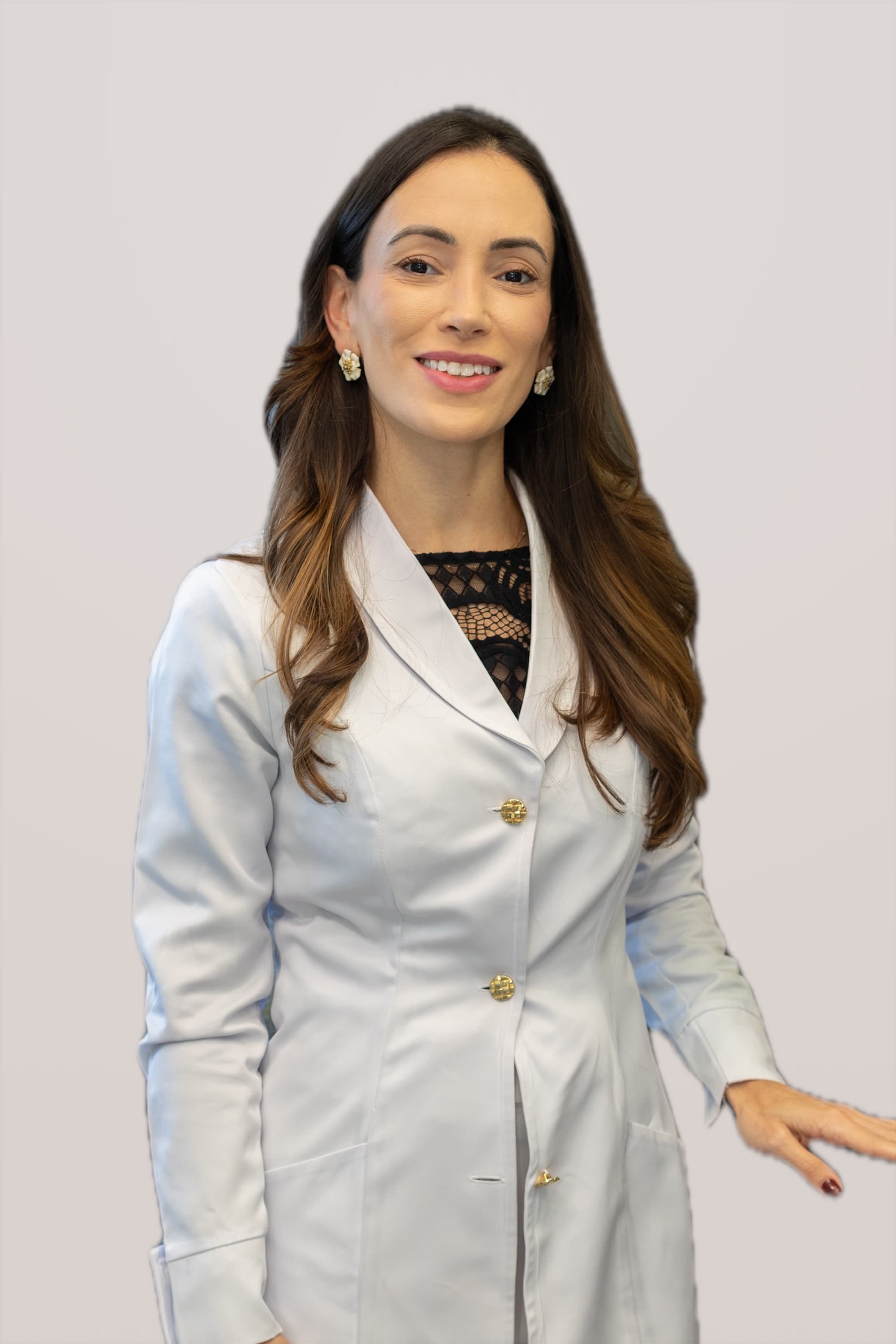
Dr. Vivian Santos
Dermatologist
PHYSICIAN: CRM-RJ 52.88185-6 · Dermatologist: RQE 44331
- Medical dermatology
- Aesthetic dermatology
- Injectable procedures
- Pediatric dermatology
- Dermatologic ultrasound
- Laser and technologies
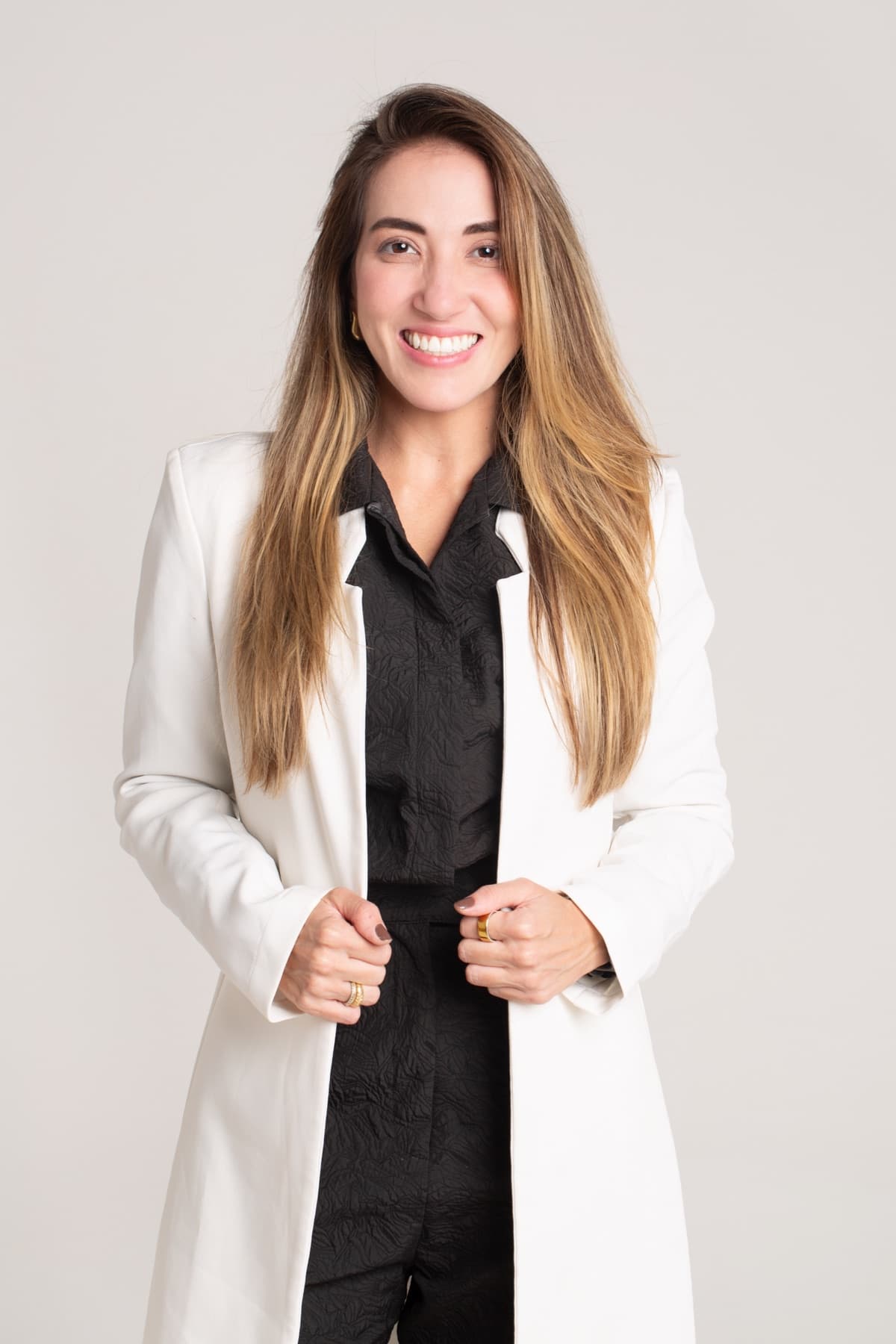
Dr. Gabriela Bellote
Dermatologist
PHYSICIAN: CRM-RJ 52.102817-0 · Dermatologist: RQE 49067
- Medical dermatology
- Pediatric dermatology
- Inflammatory skin diseases
- Laser and technologies
- Aesthetic dermatology
- Injectable procedures
See also