
Medical dermatology · Skin conditions
Acne: causes, types and treatment
Acne is a chronic inflammatory disease of the pilosebaceous follicles (the pore with the hair and the oil gland), which causes blackheads, pimples, nodules and cysts, mainly on the face, chest and back. It is caused by excess oil, clogged pores, the bacterium Cutibacterium acnes and inflammation, with genetic and hormonal influence. Early treatment controls the lesions and prevents dark marks and scars. At Yamagata Dermatologia, in Ipanema, Rio de Janeiro, diagnosis and treatment are carried out by dermatologists.
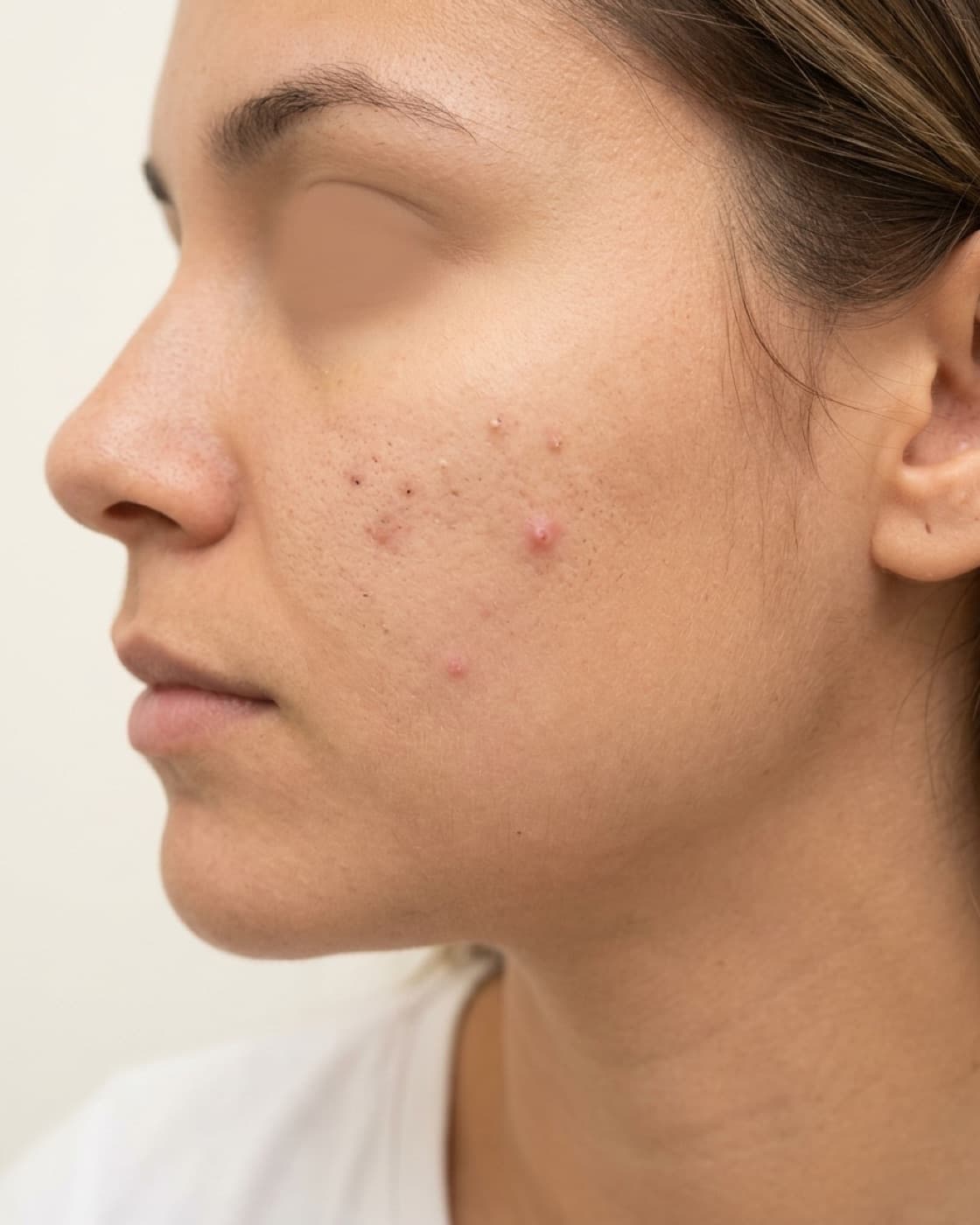
Symptoms and how to recognize it
Acne appears in areas with many sebaceous glands, such as the face, chest and back. The lesions vary according to severity:
- Open (black) and closed (white) comedones
- Red pimples and pimples with pus
- Painful nodules and cysts, in the more severe forms
- Excessively oily skin
- Dark marks and scars after the lesions
Causes and risk factors
Acne results from a combination of four factors: excessive sebum production, stimulated by hormones; pores clogged by dead cells; proliferation of the bacterium Cutibacterium acnes; and inflammation. Genetics play an important role, and some factors can make it worse, such as hormonal changes, polycystic ovary syndrome, use of corticosteroids and anabolic steroids, oily cosmetics and stress.
Diagnosis
Diagnosis is clinical, made by the dermatologist during the skin examination, who classifies the type and severity of the acne. When there are signs of hormonal changes, such as irregular periods or excess hair, blood tests may be ordered.
Treatments
Treatment is chosen according to severity and the type of lesion and usually takes a few weeks to show results.
- Topical treatmentRetinoids, benzoyl peroxide, topical antibiotics and other active ingredients, according to the type of acne.
- Oral medicationsAntibiotics, hormonal treatment or isotretinoin in moderate to severe cases.
- Chemical peelControl of oiliness and blackheads, as a complement.
- Deep facial cleansingExtraction of blackheads in the non-inflamed phase.
- Intralesional injectionInflamed, painful nodules and cysts.
Living with it and prevention
- Wash your face with a cleanser suitable for oily skin, without scrubbing.
- Use oil-free, non-comedogenic moisturizer and sunscreen.
- Do not squeeze the lesions.
- Keep up the maintenance treatment prescribed, even after improvement.
When to see a dermatologist
See a dermatologist when acne does not improve with simple care, when there are nodules, cysts or pain, when dark marks or scars appear, or when acne affects your self-esteem. Early treatment is the best way to prevent scars.
All procedures are recommended and performed after an individual medical evaluation. Results vary from person to person.
Questions
Frequently asked questions
Is acne only a teenage problem?
No. Acne is most common in adolescence, but it can continue or appear in adulthood, especially in women, with lesions on the chin and jawline linked to hormonal factors.
Does diet affect acne?
Some studies associate worsening acne with high-glycemic diets and the consumption of milk and whey protein supplements in some people. The influence varies from person to person.
Is it harmful to squeeze pimples?
Yes. Squeezing increases inflammation and the risk of dark marks, infection and scars.
Is isotretinoin safe?
It is an effective medication for moderate to severe acne, used with medical follow-up and regular tests. It is contraindicated in pregnancy.
Team
Medical team
See also