
Concerns · Face
Weight-loss injections and facial sagging: signs and treatments
The injections used to treat obesity, such as Ozempic and Wegovy (semaglutide) and Mounjaro (tirzepatide), lead to significant and often rapid weight loss. On the face, the fat that gives volume to the temples, cheeks and eye area decreases, and the skin loses support. The result can be a thinner, tired and hollow-looking face, the so-called "Ozempic face", with deeper folds and loss of jawline definition. A dermatological evaluation identifies what has changed in each layer of the face and guides the treatments. At Yamagata Dermatologia, in Ipanema, Rio de Janeiro, the plan is defined by a dermatologist at the appointment.
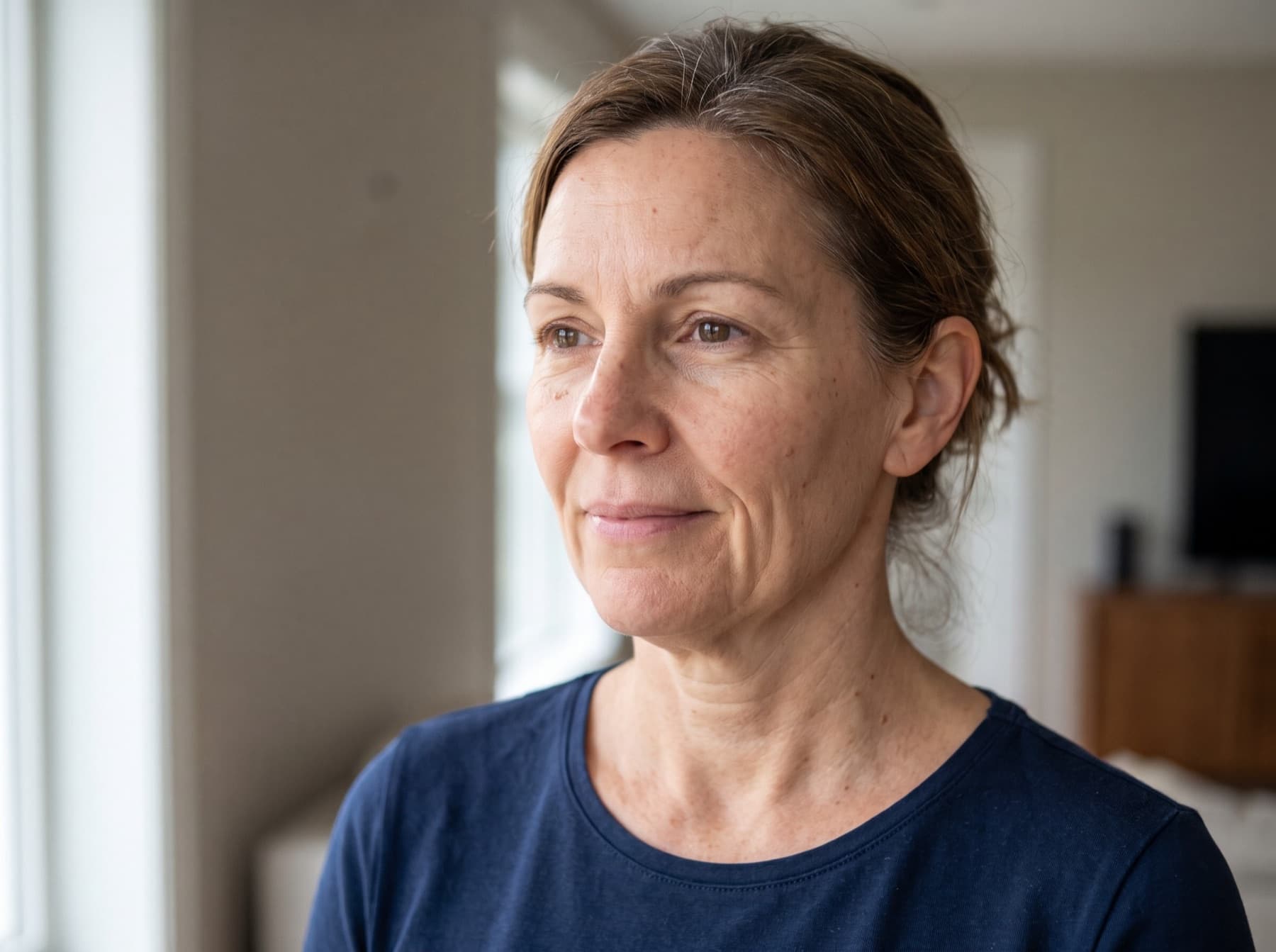
Why it happens
Weight-loss injections, such as Ozempic and Wegovy (semaglutide) and Mounjaro (tirzepatide), act on appetite and satiety and lead to significant weight loss within a few months. This weight loss brings important health benefits, but it also changes the face.
Facial fat is distributed in compartments that give volume to the temples, cheeks, the area around the eyes and the jawline. When these compartments shrink quickly, the skin loses the support it had: the cheeks drop, the folds deepen and the face becomes thinner and more hollow. If the skin already has less collagen and elastin, due to age or sun, it cannot retract at the same speed, and laxity becomes more evident.
Signs on the face
- A thinner face, with a tired or older look
- Volume loss in the temples and cheeks
- Deeper dark circles and hollow eyes
- Deeper folds, such as nasolabial folds and marionette lines
- Sagging cheeks and loss of jawline definition
- Excess skin under the chin and on the neck
- Thinner skin, with more fine wrinkles and less glow
These signs usually appear during the first months of weight loss and become more evident when the weight loss is large or rapid. Weight loss can also accentuate laxity on the body, arms, abdomen and thighs, a topic covered on the body skin laxity page.
How the evaluation is done
The dermatologist assesses the face from different angles, the thickness and quality of the skin, the volume loss in each region and the degree of tissue sagging. They also consider the phase of weight loss, whether the weight is still dropping or has stabilized, and the patient's expectations. This analysis shows which layer has changed most in each case, whether the skin, volume or support, and guides the choice and order of treatments.
Recommended treatments
In mild to moderate cases, non-surgical treatments act on different layers of the face and can be combined.
- Hyaluronic acid fillersRestores the volume lost in the temples, cheeks, under-eyes and folds.
- Collagen biostimulatorsStimulate collagen production and improve the thickness and firmness of the facial skin.
- Harmonyca (hyaluronic acid and calcium hydroxylapatite)Support and volume with collagen stimulation in the midface and facial contour.
- Ultraformer® MPTMicrofocused ultrasound for support of the face, double chin and neck.
- Evolla® MPRadiofrequency for facial skin firmness, with no downtime.
- Profhilo (hyaluronic acid)Deep hydration and improved quality of thin facial and neck skin.
- SkinboostersSkin hydration and glow, with improvement of fine wrinkles.
- PDO threadsLifting threads to reposition the cheeks and contour, in selected cases.
Combined treatments
The most common combination pairs volume restoration with fillers in the areas that lost the most fat, such as the temples and cheeks, with a biostimulator, which improves skin thickness and firmness, and a technology such as Ultraformer® for support of the contour, double chin and neck. The plan and the order of procedures are defined at the evaluation, according to the phase of weight loss.
Care during weight loss
- Use weight-loss injections only with medical indication and follow-up.
- Follow the dietary guidance, paying attention to protein intake.
- Use sunscreen every day, since the sun speeds up the loss of facial collagen.
- Keep a skin care routine with adequate hydration.
- See a dermatologist early, when the first signs appear, to plan facial care throughout the weight loss.
When to see a dermatologist
See a dermatologist if you notice a thinner or more tired face, deeper folds, loss of jawline definition or excess skin under the chin during or after weight loss with these injections.
All procedures are recommended and performed after an individual medical evaluation. Results vary from person to person.
Questions
Frequently asked questions
What is "Ozempic face"?
It is a popular term, not a medical diagnosis, used to describe the thinner, tired and older-looking face that can appear after rapid weight loss with injections such as Ozempic (semaglutide). It is not a direct effect of the medication, but of the loss of facial fat and support, which can also happen with other forms of weight loss.
Will everyone who uses these injections get a hollower face?
No. The chance is higher when weight loss is large and rapid, after age 40, in people with a naturally thinner face and in those who already had thin or sun-damaged skin. Genetics and lifestyle also play a role.
Should I wait until I finish losing weight to treat my face?
It depends on the treatment. Procedures that stimulate collagen and improve skin quality can be started during weight loss, with follow-up. Restoring volume with fillers is usually planned once the weight stabilizes, because the face may still change. The order is defined at the evaluation.
Will fillers make my face look artificial?
The goal is to restore the lost volume proportionally, respecting the anatomy of each face. The amount and the injection points are planned at the evaluation, and fillers are often combined with biostimulators, which improve the skin gradually.
Do these treatments replace a facelift?
No. They improve mild to moderate laxity, volume loss and skin quality, but they do not remove excess skin. When there is a lot of excess skin on the face and neck, plastic surgery tends to be the most appropriate option.
Does the dermatologist prescribe the weight-loss injection?
The indication and follow-up of weight-loss injections are done by the doctor who treats obesity or diabetes, such as an endocrinologist. The dermatologist's role is to care for the effects of weight loss on the skin and facial contour.
Team