
Concerns · Body
Unwanted hair, folliculitis and ingrown hairs: laser hair removal
Unwanted hair on the face and body, as well as folliculitis and ingrown hairs caused by shaving or waxing, can be treated with laser hair removal, which progressively reduces the amount and thickness of hair. When there is excessive hair growth in a male pattern in women, it is important to investigate hormonal causes. At Yamagata Dermatologia, in Ipanema, Rio de Janeiro, the treatment is indicated by a dermatologist at the appointment.
Why it happens
The amount, thickness and distribution of hair depend on genetics and hormones. Some people naturally have more hair; in others, hormonal changes stimulate the growth of coarse hair in areas such as the face, chest and abdomen.
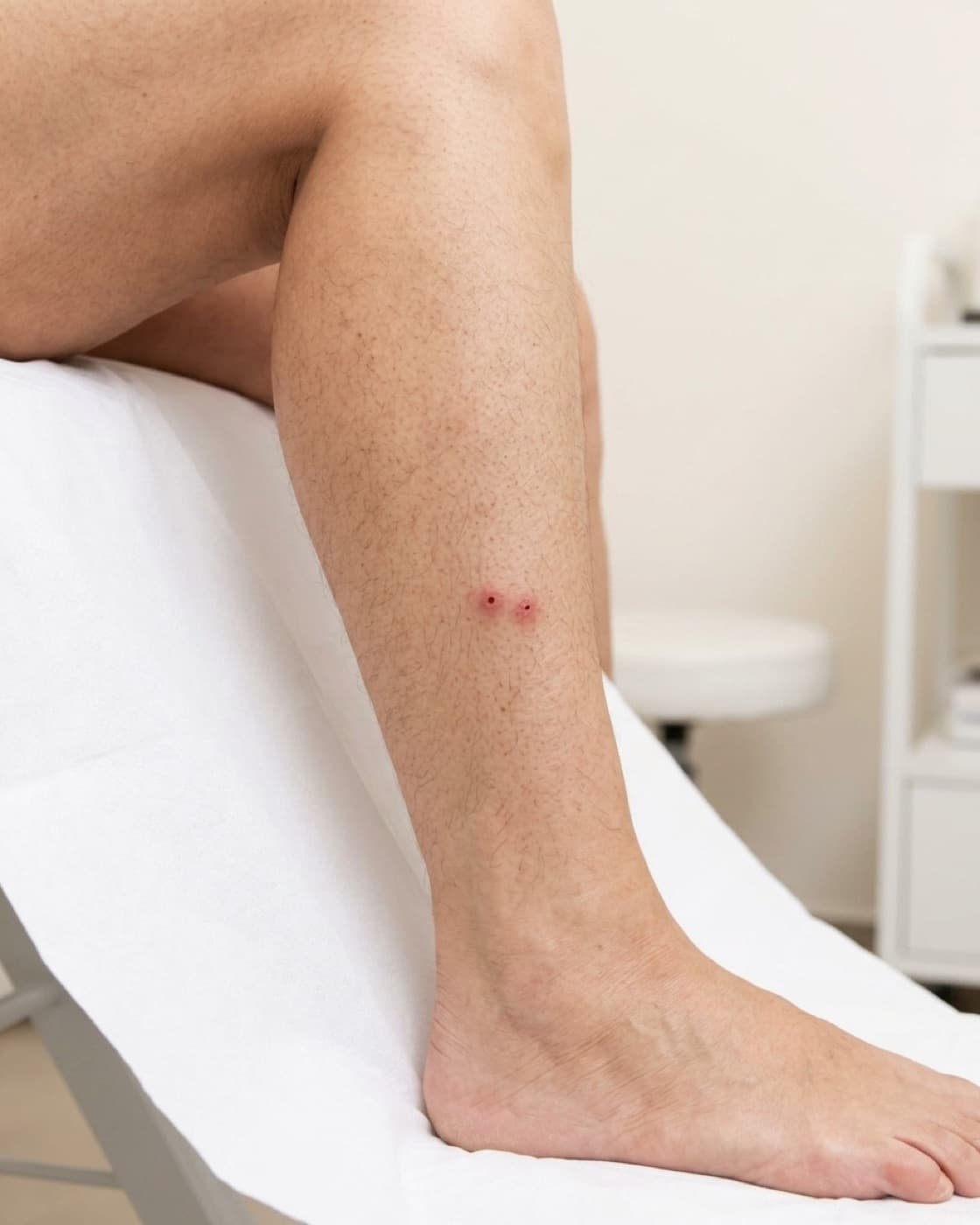
Shaving, waxing or tweezing can cause folliculitis (inflammation of the follicles), ingrown hairs and dark spots, especially on the underarms, groin and beard area.
How the evaluation is done
The dermatologist assesses the skin and hair type, the areas to be treated and the presence of folliculitis or dark spots, and investigates signs of hormonal changes when necessary.
Recommended treatments
- Laser hair removalProgressive hair reduction on the face and body.
- Chemical peelDark spots and folliculitis left by hair removal, as a complement.
Combined treatments
When folliculitis and ingrown hairs have left dark spots, treatment of the spots can be combined with laser hair removal. Hormonal changes are treated together with the attending physician.
All procedures are recommended and performed after an individual medical evaluation. Results vary from person to person.
Questions
Frequently asked questions
Can excess hair be hormonal?
Yes. In women, growth of coarse hair on the face, chest or abdomen (hirsutism) may be linked to hormonal changes, such as polycystic ovary syndrome, which should be investigated and treated in parallel.
Does laser hair removal solve ingrown hairs?
Yes. By reducing the hair and making the remaining hairs finer, laser hair removal greatly reduces folliculitis and ingrown hairs.
Does laser work on light hair?
No. The laser acts on the pigment of the hair, and white, gray, light blond and red hairs do not respond well.
Can I have laser on darker skin?
Yes, with adjusted settings and additional care. The skin type is assessed before starting.
Team
Medical team
See also