
Concerns · Face
Acne scars: types and treatments
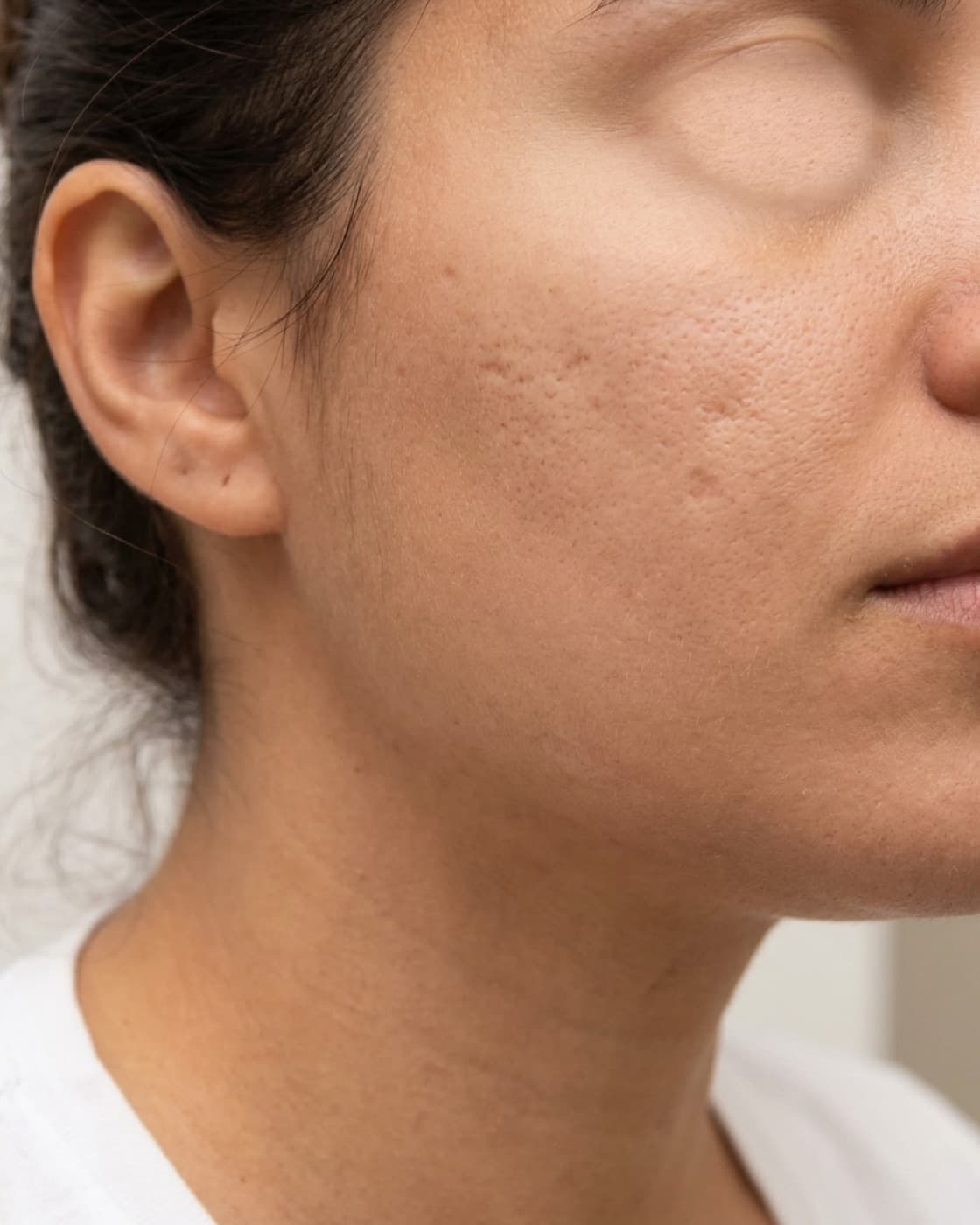
Acne scars are permanent marks left by the inflammation of pimples, which destroys part of the skin's collagen. Most are depressed, in different shapes (rolling, boxcar or ice pick), and some are raised. Because each type responds to a different treatment, the most common approach is to combine techniques, such as laser, microneedling radiofrequency, microneedling, subcision and peels. At Yamagata Dermatologia, in Ipanema, Rio de Janeiro, the plan is defined by a dermatologist at the appointment.
Why it happens
When a pimple becomes intensely or deeply inflamed, the inflammation destroys part of the collagen around the follicle. During healing, the body does not always replace this collagen in an organized way, and the skin is left with depressions or, more rarely, raised areas. Squeezing lesions and delaying acne treatment increase the risk of scarring.
Depressed scars fall into three main types: rolling (soft edges, tethered by fibers), boxcar (well-defined edges) and ice pick (narrow and deep).
How the evaluation is done
The dermatologist examines the scars under different lighting, classifies the types present, assesses skin color and thickness and checks whether the acne is under control. Based on this, they build a plan that combines the most suitable techniques for each type.
Recommended treatments
- Evolla® XLMicroneedling radiofrequency for depressed scars and texture.
- Erbium laserSurface renewal and collagen stimulation.
- SubcisionReleases scars tethered by fibers, which improve when the skin is stretched.
- MicroneedlingCollagen stimulation in superficial and medium scars.
- Chemical peelSuperficial marks and dark spots left by acne.
- Intralesional injectionRaised scars and keloids.
Combined treatments
Because most people have more than one type of scar, combination is the rule: subcision releases tethered scars, microneedling radiofrequency or laser stimulate collagen, and peels or fillers complement the result.
All procedures are recommended and performed after an individual medical evaluation. Results vary from person to person.
Questions
Frequently asked questions
Can acne scars be cured?
Scars can improve a lot with treatment, but they rarely disappear completely. The goal is to soften the relief and even out the texture, with progressive results over the sessions.
Can I treat scars while I still have acne?
Ideally, active acne should be controlled first to avoid new scars. Some treatments can be started while acne is being controlled, depending on the evaluation.
Is a pimple mark a scar?
No. The dark or red marks left after pimples are temporary and fade over time and with treatment. A scar is a change in the relief of the skin.
Can people who have taken isotretinoin have these procedures?
Some procedures can be done during or shortly after use, with care, and others require an interval. The decision is individual and depends on the procedure.
Team