
Medical dermatology · Skin conditions
Melasma: dark patches on the face and how to treat them
Melasma is a chronic condition that causes brownish, symmetrical patches on the face, mainly on the cheeks, forehead, above the lip and on the chin. It is more common in women and is linked to hormonal factors, such as pregnancy and contraceptives, genetics and exposure to sun, heat and visible light. There is no cure, but ongoing treatment and strict sun protection lighten and control the patches. At Yamagata Dermatologia, in Ipanema, Rio de Janeiro, diagnosis and treatment are carried out by dermatologists.
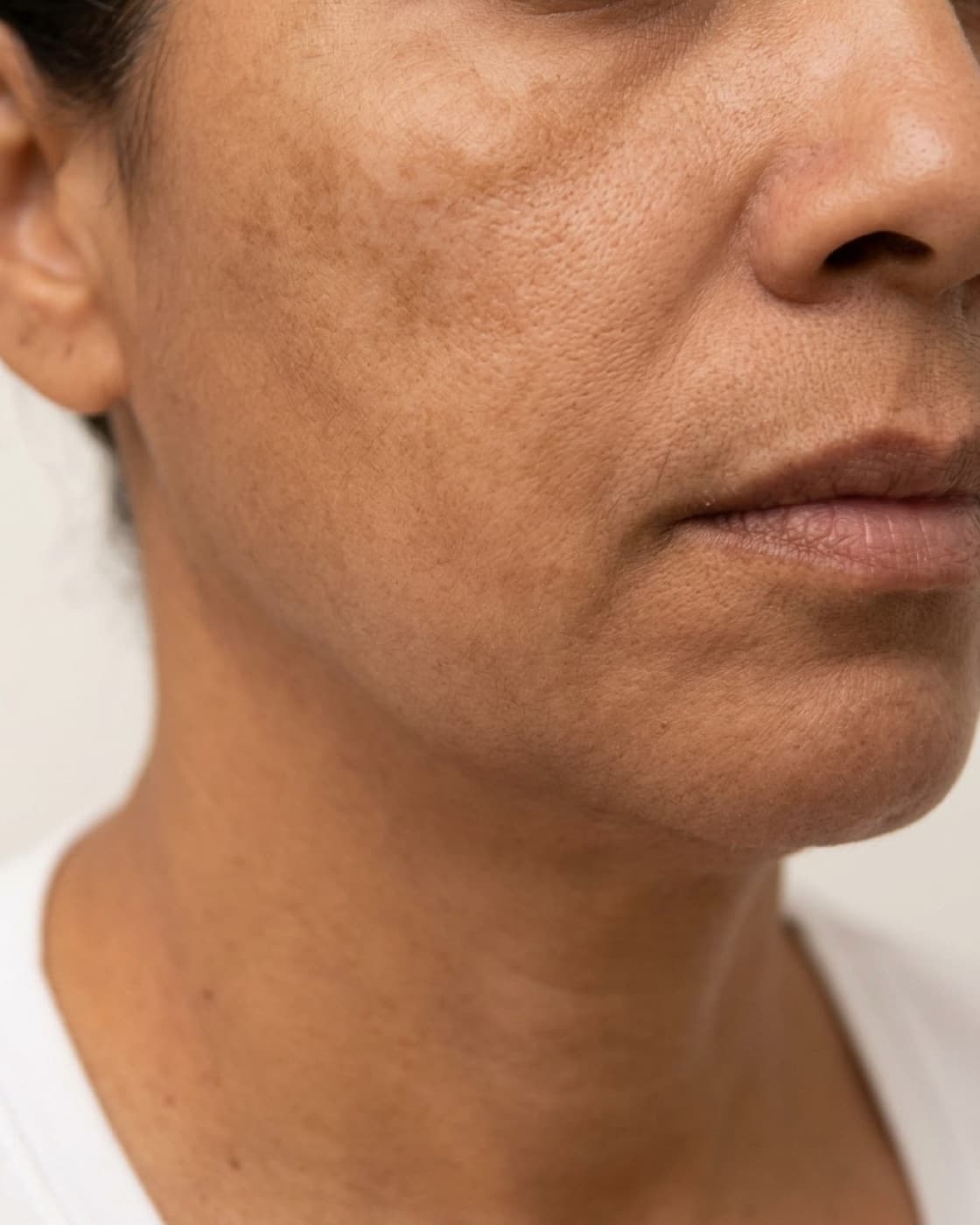
Symptoms and how to recognize it
- Brownish patches with irregular borders
- Symmetrical distribution on the cheeks, forehead, above the lip and on the chin
- Worsening in summer and with exposure to sun and heat
- No itching or pain
Melasma can be confused with other dark spots, such as sun spots and post-inflammatory marks, which makes diagnosis by a dermatologist important.
Causes and risk factors
Melasma results from increased pigment production by melanocytes, stimulated by several factors: genetic predisposition, female hormones (pregnancy, contraceptives and hormone therapy), ultraviolet radiation, visible light (including from screens, to a lesser degree) and heat. It is more common in women with medium to darker skin and in people with a family history.
Diagnosis
Diagnosis is clinical. The dermatologist may use Wood's light and dermoscopy to assess the depth of the pigment and rule out other spots, which helps choose the treatment.
Treatments
Melasma treatment is ongoing and combines sun protection, creams and, when indicated, low-intensity procedures.
- Daily sun protectionTinted sunscreen, which also protects against visible light, reapplied throughout the day.
- Lightening creams and medicationsTopical lightening agents and, in selected cases, oral medications such as tranexamic acid.
- Acroma® laserLow-energy Q-switched laser, as support for lightening.
- Chemical peelSuperficial peels for progressive lightening.
- Facial MMPLightening agents delivered to the skin with microneedles.
Living with it and prevention
- Use tinted sunscreen every day, including indoors, and reapply it.
- Wear a hat and avoid intense sun and heat.
- Keep up the maintenance treatment prescribed, even after the patches lighten.
- Talk to your doctor about hormone use.
When to see a dermatologist
See a dermatologist if you notice dark patches on your face that persist or worsen in summer, before using lightening creams on your own, which can irritate the skin and worsen the patches.
All procedures are recommended and performed after an individual medical evaluation. Results vary from person to person.
Questions
Frequently asked questions
Can melasma be cured?
No, but it can be controlled. The patches lighten with treatment, but tend to return with sun, heat and hormonal changes, which is why maintenance treatment is important.
Does melasma in pregnancy go away after delivery?
In some women, pregnancy melasma lightens after delivery, but in many it persists and needs treatment. Some lightening creams cannot be used during pregnancy and breastfeeding.
Does laser make melasma worse?
Some lasers and intense pulsed light, with inappropriate settings, can worsen melasma. Procedures are done with specific technologies and energy levels and always combined with medical treatment.
Do men get melasma?
Yes, although it is less common. Treatment is similar.
Team
Medical team
See also