
Medical dermatology · Skin conditions
Psoriasis: symptoms, causes and treatments
Psoriasis is a chronic, non-contagious inflammatory disease in which the immune system speeds up skin renewal. It causes red, thick plaques covered with silvery scales, mainly on the elbows, knees, scalp and lower back, and can affect the nails and joints. There is no cure, but current treatments, including biologics, control the disease in most cases. At Yamagata Dermatologia, in Ipanema, Rio de Janeiro, diagnosis and treatment are carried out by dermatologists.
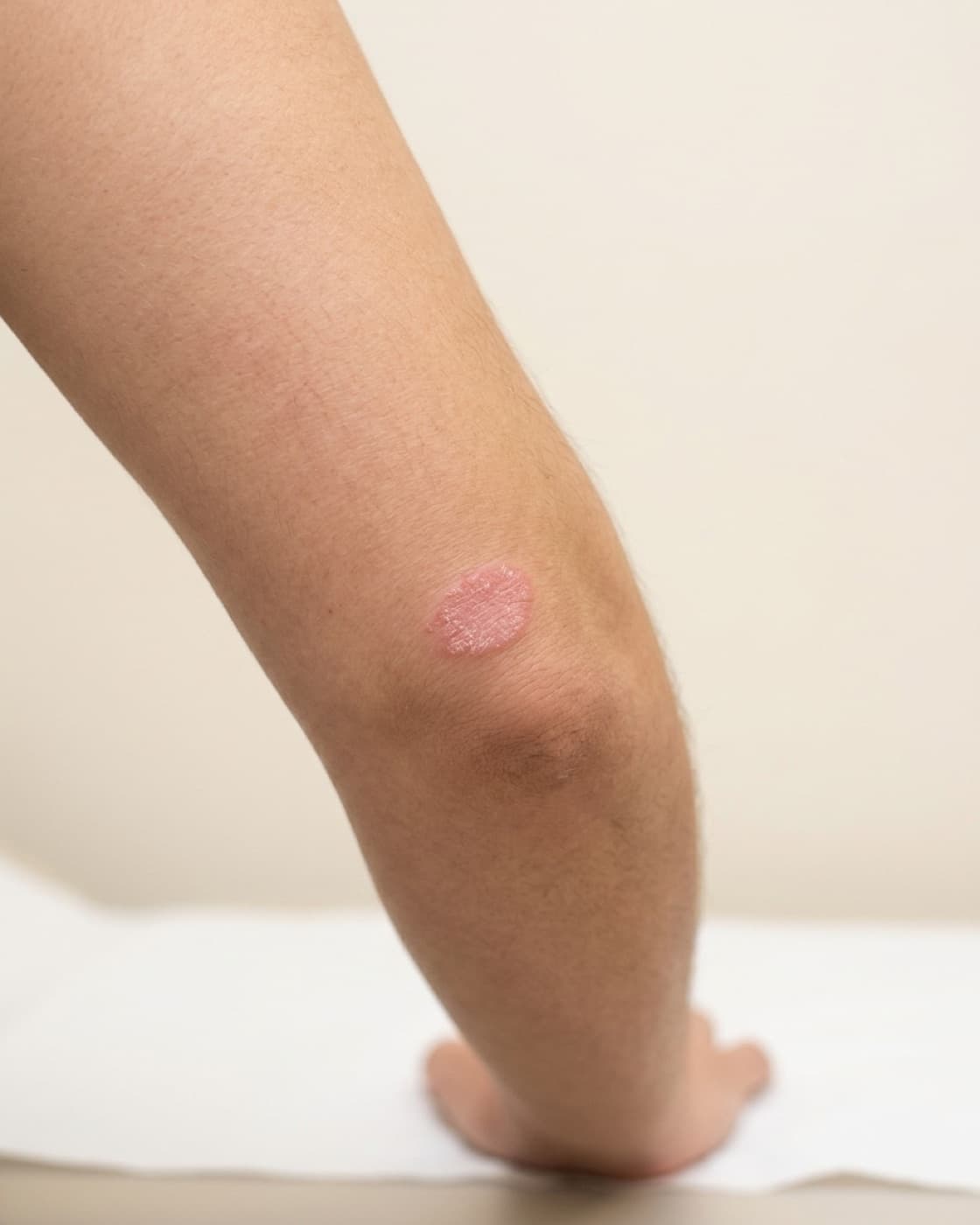
Symptoms and how to recognize it
The most common form is plaque psoriasis, but there are others, such as guttate (small drop-shaped plaques), inverse (in skin folds) and pustular psoriasis. The most frequent signs are:
- Red, thick plaques with silvery scales
- Itching or burning in the plaques
- Scaling on the scalp
- Nails with small pits, separation or thickening
- Joint pain and swelling (psoriatic arthritis)
Causes and risk factors
Psoriasis results from a combination of genetic predisposition and changes in the immune system, which activate inflammation and speed up the renewal of skin cells. Factors such as stress, infections (especially throat infections), smoking, obesity, alcohol and some medications can trigger or worsen the disease.
Diagnosis
Diagnosis is clinical, made by the dermatologist during the examination of the skin, scalp and nails. In doubtful cases, a biopsy may be performed. Dermatologic ultrasound helps assess the nails and finger joints.
Treatments
Treatment depends on the extent, severity and areas affected, as well as associated diseases.
- Topical treatmentCorticosteroids, vitamin D analogs and other active ingredients, in mild forms.
- Phototherapy and oral medicationsIn moderate to severe forms, depending on the evaluation.
- Biologic therapyModerate to severe psoriasis, with targeted control of inflammation.
- Intralesional injectionLocalized, resistant plaques.
Living with it and prevention
- Moisturize the skin daily.
- Avoid scratching and injuring the skin.
- Do not smoke and drink alcohol in moderation.
- Maintain a healthy weight and manage stress.
- Keep up medical follow-up, even when the skin is under control.
When to see a dermatologist
See a dermatologist if you notice red, scaly plaques that do not improve, persistent scaling on the scalp, nail changes or joint pain and swelling.
All procedures are recommended and performed after an individual medical evaluation. Results vary from person to person.
Questions
Frequently asked questions
Is psoriasis contagious?
No. Psoriasis is not contagious and is not passed on through contact with the skin or objects.
Can psoriasis be cured?
No, but it can be controlled. With current treatments, many people have clear or almost clear skin for long periods.
Is psoriasis linked to other diseases?
It can be. In moderate to severe forms, psoriasis may be associated with other conditions, such as arthritis, cardiovascular changes, diabetes and emotional impact. For this reason, follow-up with the dermatologist looks at health as a whole, and controlling the disease also helps in these respects.
What makes psoriasis worse?
Stress, infections, smoking, alcohol, cold and dry weather, skin injuries and some medications can trigger or worsen flares.
Team
Medical team
See also