
Medical dermatology · Skin conditions
Seborrheic dermatitis (dandruff): flaking and redness of the skin
Seborrheic dermatitis is a chronic skin inflammation that causes yellowish or whitish flaking and redness in areas with many oil glands, such as the scalp (dandruff), eyebrows, sides of the nose, behind the ears and chest. It is linked to oiliness and a yeast that normally lives on the skin. It comes in flares, but is well controlled with treatment. At Yamagata Dermatologia, in Ipanema, Rio de Janeiro, diagnosis and treatment are carried out by dermatologists.
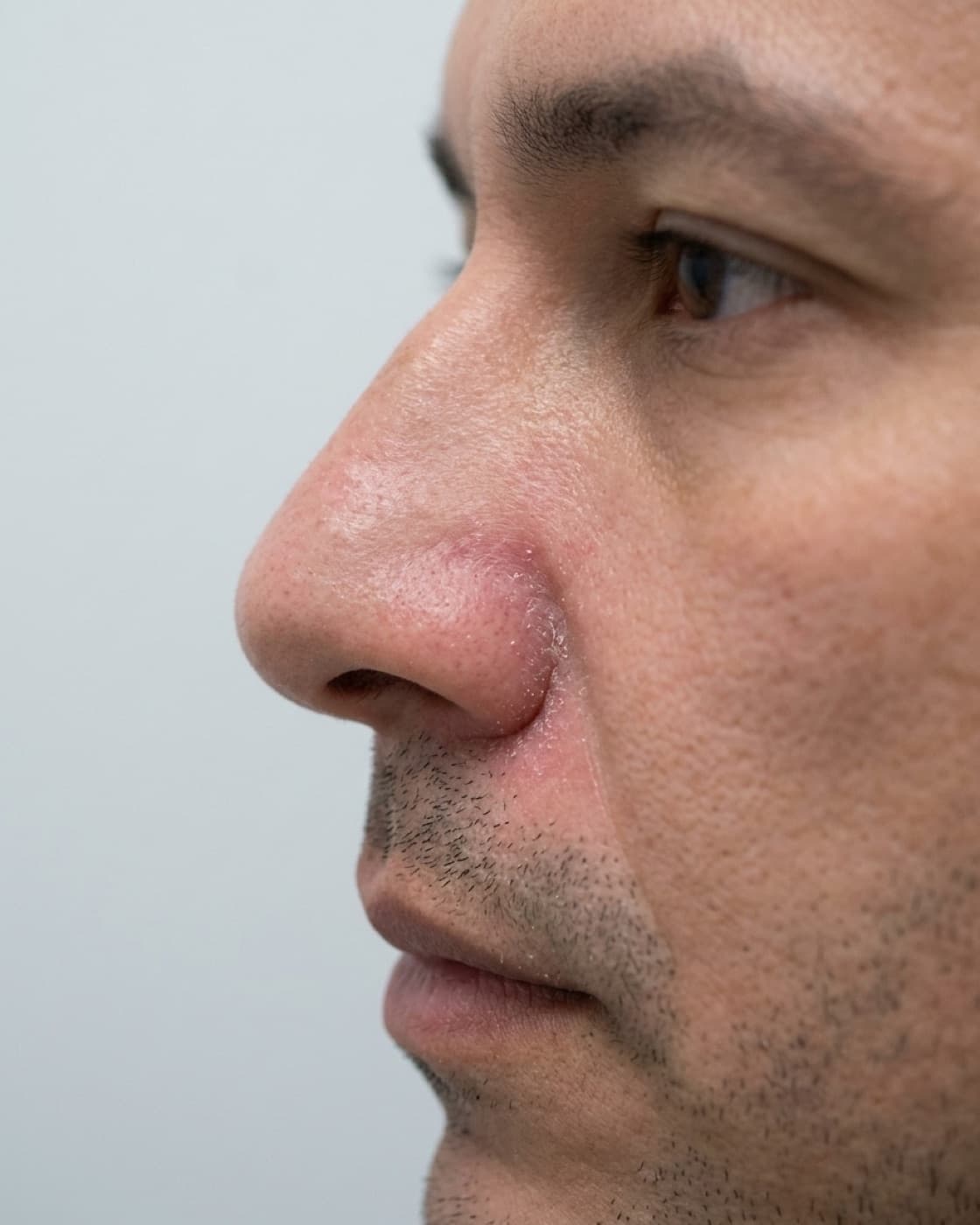
Symptoms and how to recognize it
- Flaking on the scalp (dandruff)
- Red patches with yellowish or greasy scales
- Lesions on the eyebrows, sides of the nose, behind the ears and on the chest
- Mild to moderate itching
- Cradle cap on babies' scalps
Causes and risk factors
Seborrheic dermatitis appears in areas with more sebaceous glands and is linked to skin oiliness and an inflammatory reaction to the yeast Malassezia, which normally lives on the skin. Stress, cold, dry weather, lack of sleep, alcohol and some diseases, such as Parkinson's and conditions that lower immunity, favor flares.
Diagnosis
Diagnosis is clinical, made by the dermatologist during the examination of the skin and scalp. Dermoscopy helps distinguish seborrheic dermatitis from scalp psoriasis and other conditions.
Treatments
- Medicated shampoos and cleansersWith antifungals and other active ingredients, to control flaking.
- Anti-inflammatory and antifungal creamsFor lesions on the face and body, during flares.
- MaintenancePeriodic use of the recommended products to prevent new flares.
Living with it and prevention
- Wash your hair as often as recommended, using the prescribed shampoos.
- Avoid very hot water on the scalp and face.
- Keep up maintenance use of the products, even without symptoms.
- Look after your sleep and stress levels.
When to see a dermatologist
See a dermatologist when flaking or redness persists despite regular shampoos, or when there is intense itching, sores or associated hair loss.
All procedures are recommended and performed after an individual medical evaluation. Results vary from person to person.
Questions
Frequently asked questions
Is dandruff caused by poor hygiene?
No. Dandruff is a mild form of seborrheic dermatitis and is not related to poor hygiene, although washing the hair at an appropriate frequency helps control it.
Does seborrheic dermatitis cause hair loss?
Intense inflammation and itching can contribute to hair loss, which usually improves once the dermatitis is controlled.
Why does it get worse with stress?
Stress, lack of sleep and weather changes are known triggers of flares, through mechanisms linked to the skin's oiliness and immunity.
Can it be cured?
There is no cure, but it is well controlled with the right treatment and maintenance, with long symptom-free periods.
Team