
Medical dermatology · Skin conditions
Fungal skin infections: tinea versicolor, athlete's foot and other fungal infections
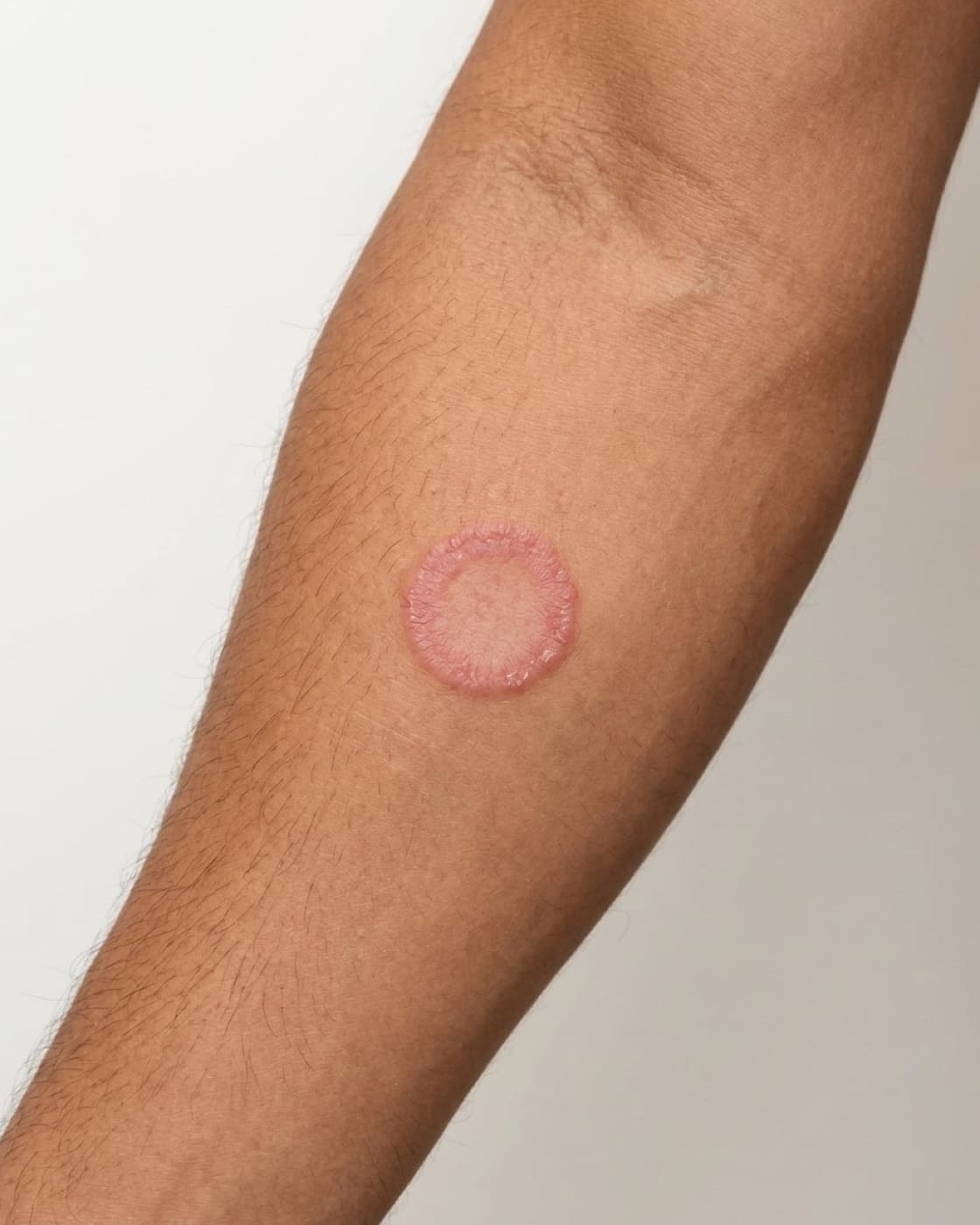
Fungal skin infections are infections caused by fungi, which thrive in warm, humid environments. The most common are tinea versicolor, tinea pedis (athlete's foot), jock itch, tinea corporis (ringworm) and candidiasis in skin folds. They cause patches, flaking, itching and redness and are treated with topical or oral antifungals, after the correct diagnosis. At Yamagata Dermatologia, in Ipanema, Rio de Janeiro, diagnosis and treatment are carried out by dermatologists.
Symptoms and how to recognize it
- Light or brownish patches on the torso, with fine flaking (tinea versicolor)
- Flaking, cracks and itching between the toes (athlete's foot)
- Red patches with a raised border and itching, on the body or groin
- Moist redness in skin folds, under the breasts or between the thighs (candidiasis)
Causes and risk factors
Fungi multiply in warm, humid environments. Heat, sweat, tight and synthetic clothing, closed shoes, shared wet floors, diabetes, obesity and low immunity favor fungal infections.
Diagnosis
Diagnosis is made by the dermatologist during the skin examination, supported by Wood's light and dermoscopy. When necessary, a mycological test is done, which identifies the fungus in a sample of the scales.
Treatments
- Topical antifungalsAntifungal creams, lotions and shampoos, for localized infections.
- Oral antifungalsFor extensive or recurrent infections or those affecting the scalp and nails.
Living with it and prevention
- Dry the skin well after showering, especially between the toes and in skin folds.
- Wear flip-flops in locker rooms, pools and shared wet areas.
- Prefer cotton clothing and socks and change socks often.
- Do not share towels, shoes or personal items.
When to see a dermatologist
See a dermatologist when patches, flaking or itching do not improve, when lesions spread or keep coming back, or in people with diabetes or low immunity.
All procedures are recommended and performed after an individual medical evaluation. Results vary from person to person.
Questions
Frequently asked questions
Are fungal infections contagious?
Some fungal infections are transmitted through contact with people, animals or contaminated surfaces, such as locker room and pool floors. Others, such as tinea versicolor, are caused by fungi that already live on the skin.
Can I use an ointment without a prescription?
Corticosteroid ointments, often used without advice, can worsen and mask fungal infections. The correct diagnosis avoids inappropriate treatments.
Why does tinea versicolor come back?
The fungus that causes tinea versicolor is part of the skin, and heat, sweat and oiliness favor recurrence. In some cases, periodic preventive treatment is recommended.
Do the white patches disappear right after treatment?
The fungus is eliminated with treatment, but skin color can take weeks to months to even out.
Team
Medical team
See also