
Medical dermatology · Skin conditions
Hyperhidrosis: excessive sweating of the underarms, hands, feet and face
Hyperhidrosis is sweat production greater than needed to regulate body temperature. In the primary form, the most common, it affects specific areas, such as the underarms, hands, feet and face, begins in childhood or adolescence and has no other underlying disease. In the secondary form, it is caused by other conditions or medications. Treatment includes antiperspirants, medications and botulinum toxin. At Yamagata Dermatologia, in Ipanema, Rio de Janeiro, diagnosis and treatment are carried out by dermatologists.
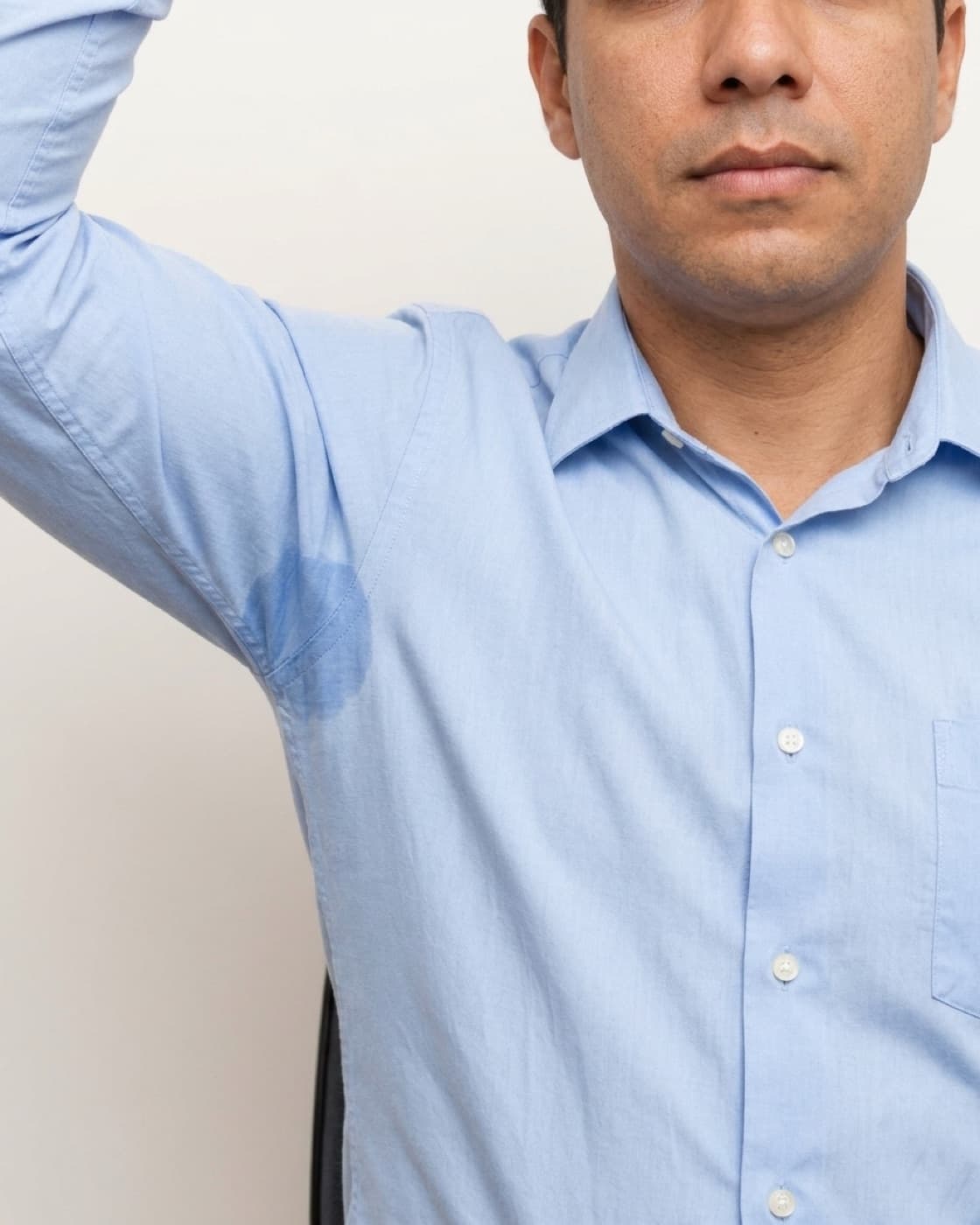
Symptoms and how to recognize it
- Excessive sweating of the underarms, palms, soles or face
- Sweat that soaks clothes, papers or objects, even at rest and in mild temperatures
- Onset in childhood or adolescence, in the primary form
- No excessive sweating during sleep, in the primary form
Hyperhidrosis can affect social and professional life, causing embarrassment, difficulty holding objects and a higher risk of fungal infections and foot odor.
Causes and risk factors
In primary hyperhidrosis, the sweat glands receive excessive nerve stimulation, with no external cause, and there is often a family history. In secondary hyperhidrosis, excessive sweating is caused by conditions such as thyroid changes, menopause, diabetes, infections, obesity, anxiety and the use of some medications.
Diagnosis
Diagnosis is clinical, based on the affected areas, the onset of symptoms and the impact on daily life. When a secondary cause is suspected, the doctor orders tests. The starch-iodine test can be used to outline the sweating area.
Treatments
- AntiperspirantsProducts with aluminum salts at specific concentrations, in mild forms.
- MedicationsOral or topical medications, in indicated cases.
- Botulinum toxinReduces sweat production on the underarms, hands and other areas for several months.
Living with it and prevention
- Wear light clothing made of natural fabrics and ventilated shoes.
- Change socks often and dry your feet well.
- Apply antiperspirant at night, on dry skin, as advised.
When to see a dermatologist
See a dermatologist when sweating interferes with daily activities or social life, or when excessive sweating appears in a generalized way or in adulthood.
All procedures are recommended and performed after an individual medical evaluation. Results vary from person to person.
Questions
Frequently asked questions
Can hyperhidrosis be cured?
Primary hyperhidrosis is usually long-lasting, but it can be well controlled with the available treatments.
Is botulinum toxin safe for sweating?
Yes. It is a well-established treatment for hyperhidrosis of the underarms, hands and other areas, with an effect that lasts several months.
Can excessive sweating be a sign of another disease?
When sweating is generalized, begins in adulthood or happens during sleep, it may be linked to hormonal changes, infections, medications or other diseases, and should be investigated.
Is surgery an option?
Sympathectomy, surgery performed by a thoracic surgeon, is reserved for severe and selected cases, because it can cause compensatory sweating in other areas of the body.
Team
Medical team
See also