
Concerns · Face
Excessive sweating (hyperhidrosis): causes and treatments
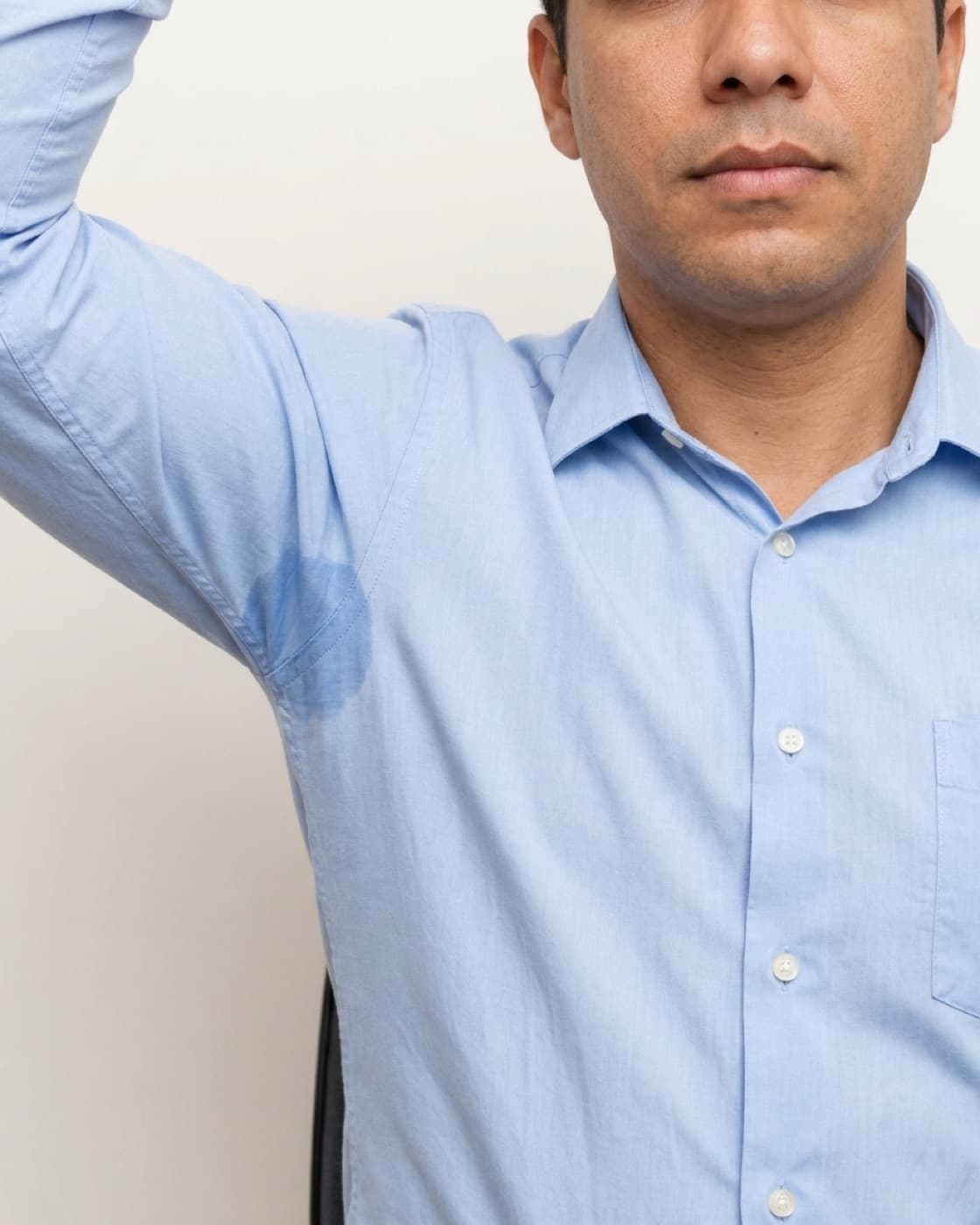
Excessive sweating, called hyperhidrosis, is the production of more sweat than needed to regulate body temperature, mainly on the underarms, hands, feet and face. In most cases, there is no other underlying disease (primary hyperhidrosis). Treatment ranges from specific antiperspirants and medications to botulinum toxin, which reduces sweat production in the treated area for several months. At Yamagata Dermatologia, in Ipanema, Rio de Janeiro, the treatment is defined by a dermatologist at the appointment.
Why it happens
In primary hyperhidrosis, the sweat glands receive excessive nerve stimulation, without an external cause. It usually begins in childhood or adolescence, runs in families and affects specific areas, such as the underarms, palms, soles and face.
In secondary hyperhidrosis, excessive sweating is caused by another condition, such as hormonal changes, menopause, medication use or other diseases, and is usually generalized.
How the evaluation is done
The dermatologist assesses the affected areas, the intensity, when the symptoms began and the impact on daily life, and investigates possible secondary causes. In some cases, the starch-iodine test helps outline the area for treatment.
Recommended treatments
- Botulinum toxinReduces sweat production on the underarms, hands and other areas.
- Antiperspirants and medicationsAntiperspirants with aluminum salts and oral or topical medications, depending on the evaluation.
Combined treatments
Antiperspirants and daily care can be continued alongside botulinum toxin. In severe, extensive cases, oral medications may be combined, depending on the evaluation.
All procedures are recommended and performed after an individual medical evaluation. Results vary from person to person.
Questions
Frequently asked questions
Is excessive sweating a disease?
Hyperhidrosis is a recognized condition that can greatly affect social and professional life. Most of the time it is primary, with no other cause, but the doctor investigates when hormonal causes, medications or other diseases are suspected.
How long does botulinum toxin for sweating last?
On average, four to nine months on the underarms, varying from person to person.
Is it harmful to stop sweating under the arms?
No. The underarms represent a small part of the body's sweating area, and temperature regulation continues through the rest of the skin.
Does the toxin work on the hands?
Yes, but application on the hands is more sensitive, and there may be a slight, temporary reduction in strength for fine movements. The doctor explains the precautions.
Team
Medical team
See also