
Medical dermatology · Nails
Onychomycosis (nail fungus): symptoms, diagnosis and treatment
Onychomycosis is a fungal infection of the nails, more common in the toenails. It makes the nail yellowish or whitish, thick, brittle and sometimes detached. The diagnosis should be confirmed with a mycological exam, because other diseases cause similar changes. Treatment, with topical or oral antifungals, takes time, because it depends on the growth of the new nail. At Yamagata Dermatologia, in Ipanema, Rio de Janeiro, diagnosis and treatment are carried out by dermatologists.
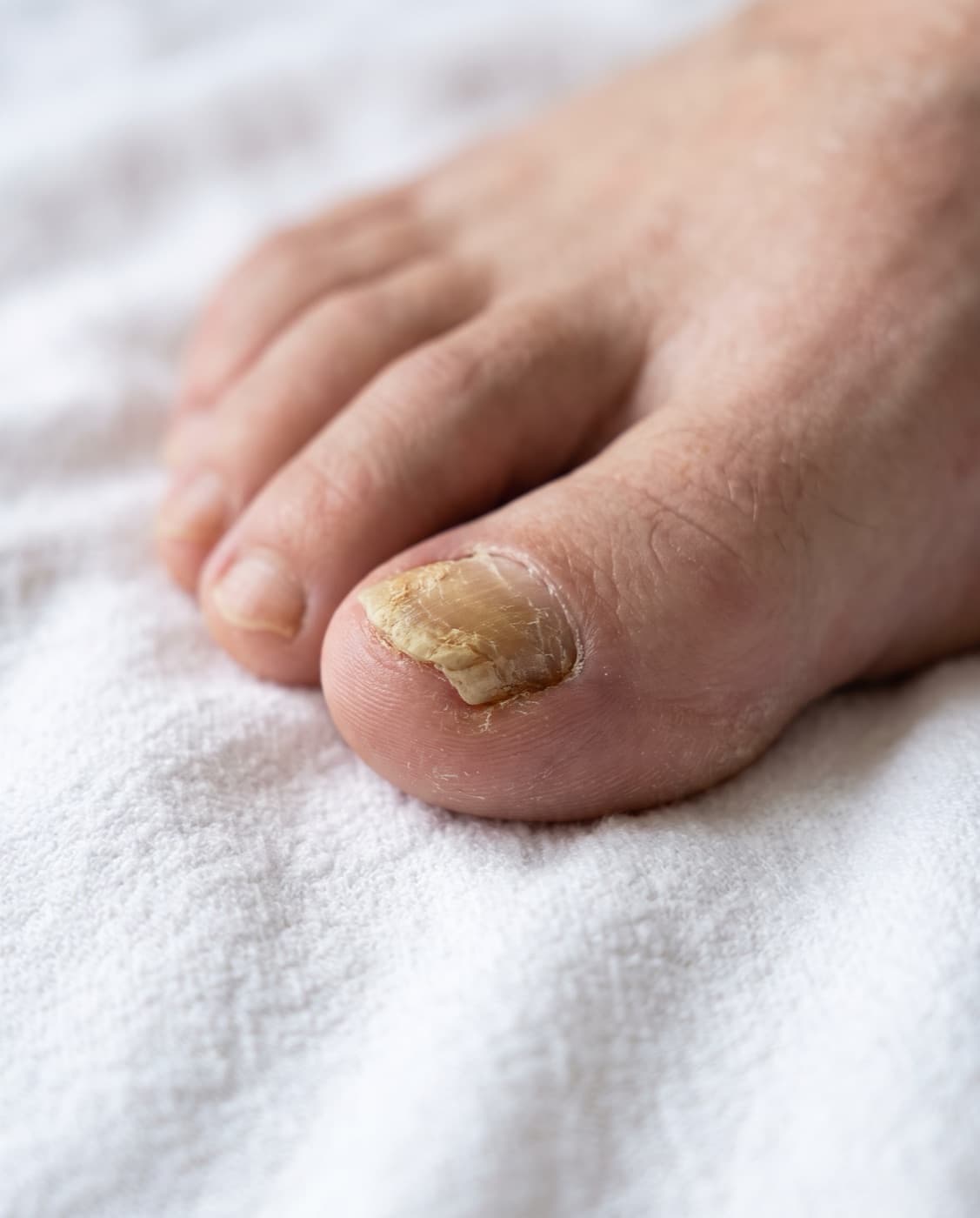
Symptoms and how to recognize it
- Yellowish, whitish or brownish nail
- Thick, brittle or crumbling nail
- Nail detaching from the skin (onycholysis)
- Buildup of material under the nail
- Odor and discomfort when wearing shoes, in some cases
Causes and risk factors
Onychomycosis is mainly caused by dermatophyte fungi, the same ones that cause athlete's foot, and also by yeasts and other fungi. Closed shoes, sweating, shared damp floors, nail trauma, older age, diabetes, poor circulation and low immunity increase the risk.
Diagnosis
The dermatologist examines the nails with onychoscopy (dermoscopy of the nails) and confirms the diagnosis with a mycological exam, which identifies the fungus in a nail sample. The exam distinguishes fungal infection from other causes, such as psoriasis and trauma.
Treatments
- Topical antifungalsAntifungal nail lacquers and solutions, in mild, limited forms.
- Oral antifungalsIn extensive forms or those reaching the nail root, with medical follow-up.
- Removal of the affected partFiling or thinning the nail to improve the action of the medications.
Living with it and prevention
- Dry your feet well, especially between the toes.
- Wear flip-flops in locker rooms, pools and damp areas.
- Prefer cotton socks and alternate your shoes.
- Do not share nail clippers, files and shoes.
- Treat athlete's foot, which can spread to the nails.
When to see a dermatologist
See a dermatologist if you notice yellowish, thick or detaching nails, before starting treatment on your own, and with extra attention if you have diabetes.
All procedures are recommended and performed after an individual medical evaluation. Results vary from person to person.
Questions
Frequently asked questions
How long does treatment last?
In general, from six months for fingernails to 12 to 18 months for toenails, because treatment only ends when the new, healthy nail has fully grown.
Why have an exam before treating?
About half of abnormal-looking nails do not have a fungal infection. The mycological exam confirms the infection and avoids unnecessary long treatments.
Does laser treat nail fungus?
Laser can be used as a complement in some cases, but antifungals remain the basis of treatment.
Can nail fungus come back?
Yes. Recurrence is common, and measures such as drying your feet well, wearing flip-flops in damp areas and treating athlete's foot help prevent it.
Team
Medical team
See also