
Medical dermatology · Hair and scalp
Telogen effluvium: hair loss after stress, illness and childbirth
Telogen effluvium is diffuse, intense hair shedding that appears about two to three months after an event that disrupts the hair cycle, such as high fever, infections, surgery, childbirth, intense stress, restrictive diets, iron deficiency or the use of some medications. The follicles are not damaged, and the shedding usually improves once the cause is identified and corrected. At Yamagata Dermatologia, in Ipanema, Rio de Janeiro, diagnosis and treatment are carried out by dermatologists.
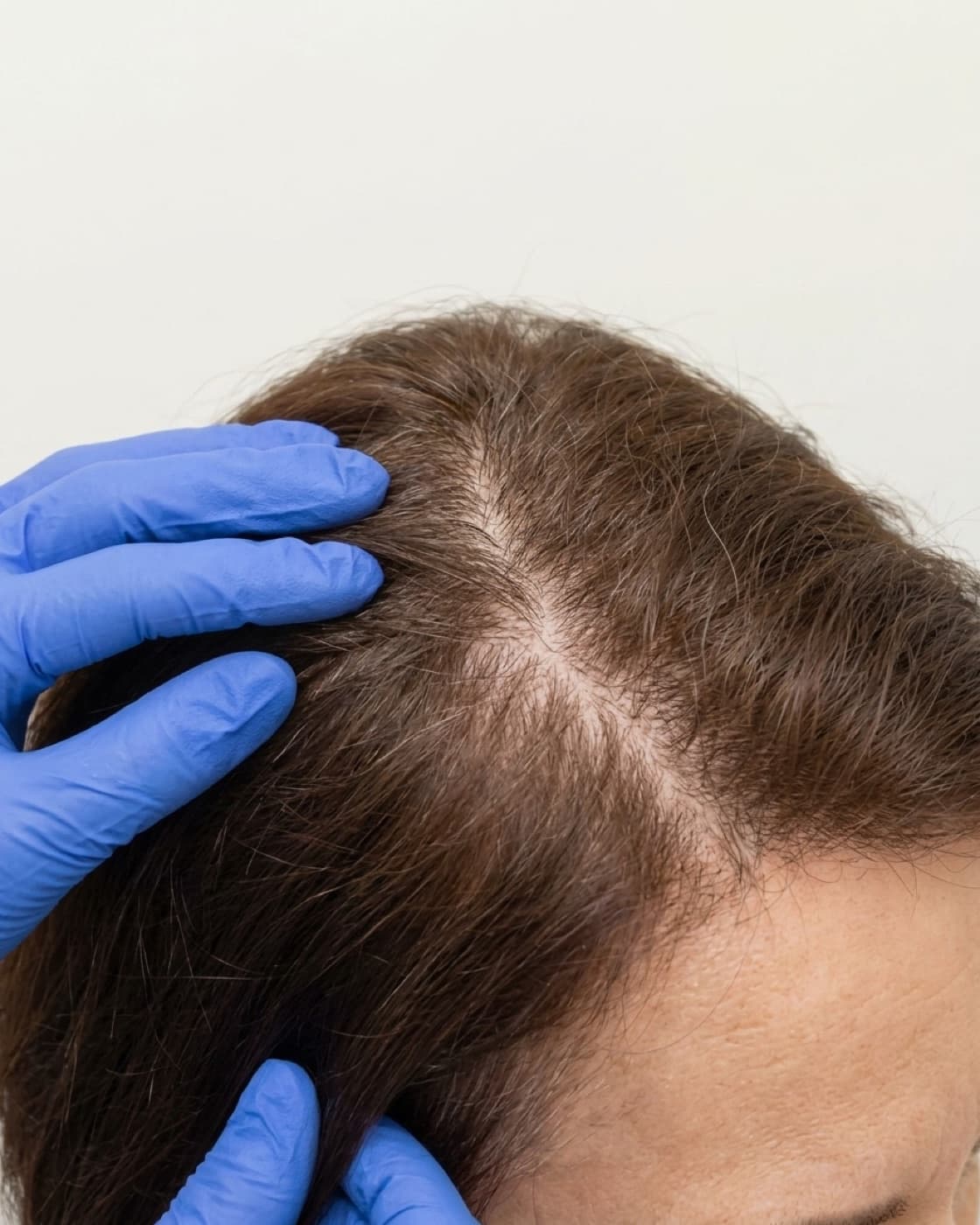
Symptoms and how to recognize it
- Diffuse shedding, with a lot of hair on the pillow, in the shower and on the brush
- Hairs falling out with a whitish root (bulb)
- Reduced hair volume, without defined bald patches
- Onset two to three months after the triggering event
Causes and risk factors
Normally, about 10% of hairs are in the shedding (telogen) phase. After physical or emotional stress, a larger share of the hairs enters this phase at the same time and falls out a few months later. The most common causes are fever and infections, surgery, childbirth, rapid weight loss and restrictive diets, deficiency of iron and other nutrients, thyroid changes, intense stress and some medications.
Diagnosis
The dermatologist investigates events from the previous months, examines the scalp with digital trichoscopy and orders blood tests to identify deficiencies and hormonal changes. Trichoscopy also helps distinguish effluvium from androgenetic alopecia, which can coexist.
Treatments
- Correcting the causeReplacing missing nutrients, treating diseases and reviewing medications.
- Hair MMPStimulation of the hair cycle, as a complement.
- Hair mesotherapyMicro-injections of active ingredients, as a complement.
- Capellux®Hair LED therapy, as a complement.
Living with it and prevention
- Keep a balanced diet and avoid very restrictive diets.
- Treat identified deficiencies and diseases.
- Avoid pulling, harsh chemical treatments and excessive heat on the hair during the shedding phase.
When to see a dermatologist
See a dermatologist when shedding is intense, lasts more than three months or comes with other symptoms, such as tiredness, bald patches or progressive thinning.
All procedures are recommended and performed after an individual medical evaluation. Results vary from person to person.
Questions
Frequently asked questions
Will I go bald?
No. In telogen effluvium, the follicles remain healthy, and hair grows back once the cause is corrected. Recovering volume takes a few months.
How long does the shedding last?
In the acute form, shedding usually lasts three to six months. When it persists longer, it is called chronic telogen effluvium and requires more detailed investigation.
Can COVID cause hair loss?
Yes. Infections with fever, such as COVID-19, are common causes of telogen effluvium, which appears a few months after the illness.
Do I need to take vitamins?
Only when tests show a deficiency, such as iron, vitamin D or zinc. Supplementing without need does not speed up recovery.
Team
Medical team
See also