
Concerns · Face
Facial redness and spider veins: causes and treatments
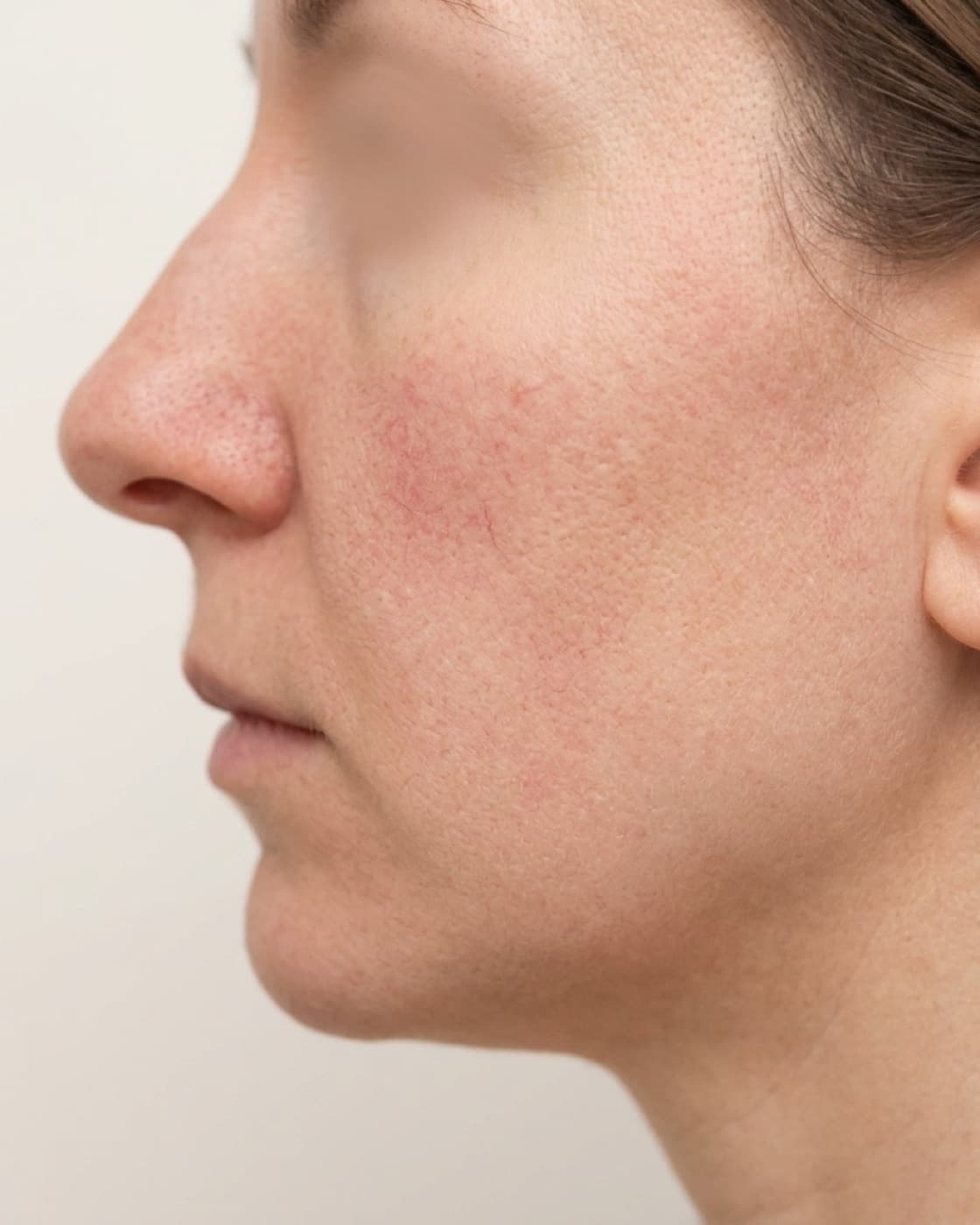
Persistent facial redness and visible spider veins (telangiectasias) are usually linked to rosacea, accumulated sun damage and sensitive skin. Treatment combines control of the cause, with skin care and medication when rosacea is present, and procedures that reduce the vessels, such as intense pulsed light. At Yamagata Dermatologia, in Ipanema, Rio de Janeiro, the cause is identified by a dermatologist at the appointment.
Why it happens
Facial redness comes from the dilation of small vessels in the skin. When it is temporary, such as when feeling hot or embarrassed, it is normal. When it becomes persistent or visible spider veins appear, the most common causes are:
- Rosacea: a chronic inflammatory disease, with redness on the cheeks and nose, spider veins, sensitivity and sometimes pimples.
- Sun damage: sun exposure weakens the vessels and the skin over the years.
- Sensitive or irritated skin: due to unsuitable products or dermatitis.
How the evaluation is done
The dermatologist examines the pattern of redness, the presence of spider veins, pimples or flaking and the reported triggers, to identify the cause and recommend the appropriate medical treatment and procedures.
Recommended treatments
- Intense pulsed lightReduces spider veins and diffuse facial redness.
- Facial treatmentsLED facial, with a calming effect, as a complement.
- Mesobotox (botulinum toxin)A complement for redness and oiliness, in selected cases.
Combined treatments
In rosacea, procedures are combined with medical treatment, with creams and, when necessary, oral medications, as well as identifying and controlling triggers.
All procedures are recommended and performed after an individual medical evaluation. Results vary from person to person.
Questions
Frequently asked questions
Is facial redness always rosacea?
No. Redness can be caused by rosacea, seborrheic dermatitis, contact dermatitis, sun damage or other conditions. The correct diagnosis defines the treatment.
Do spider veins come back after treatment?
Treated vessels usually disappear, but new vessels may appear over time, especially with sun exposure, heat and other triggers. Maintenance sessions may be recommended.
What makes redness worse?
Sun, heat, hot drinks, alcohol, spicy foods, intense exercise, stress and irritating products are common triggers, especially in rosacea.
Which daily care helps?
Gentle cleansing, a moisturizer for sensitive skin and daily sunscreen, preferably with mineral filters. Avoid scrubs and products with alcohol or fragrance.
Team
Medical team
See also